Why Does My Cat Purr So Much?
Purring isn’t only a happiness signal – cats also purr to self-soothe through stress or pain, which is why context matters more than the sound itself.
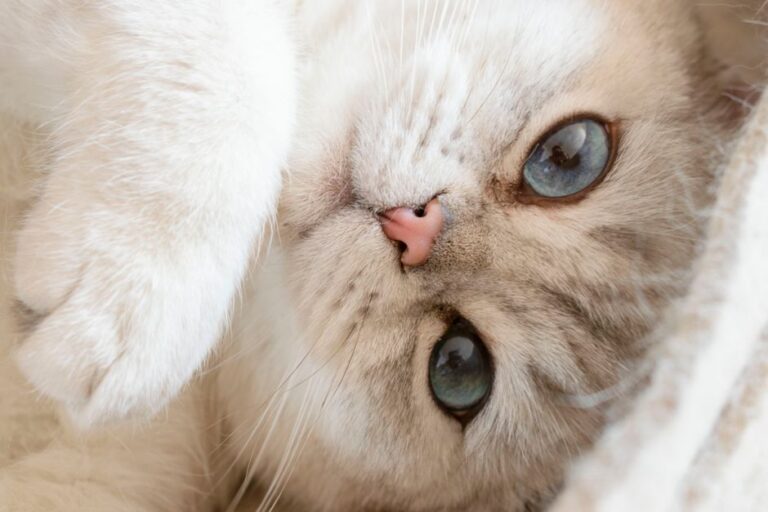
Purring isn’t only a happiness signal – cats also purr to self-soothe through stress or pain, which is why context matters more than the sound itself.

Most staring is affection or a learned way of asking for something – but a hard, stiff stare is a genuinely different signal worth reading correctly.
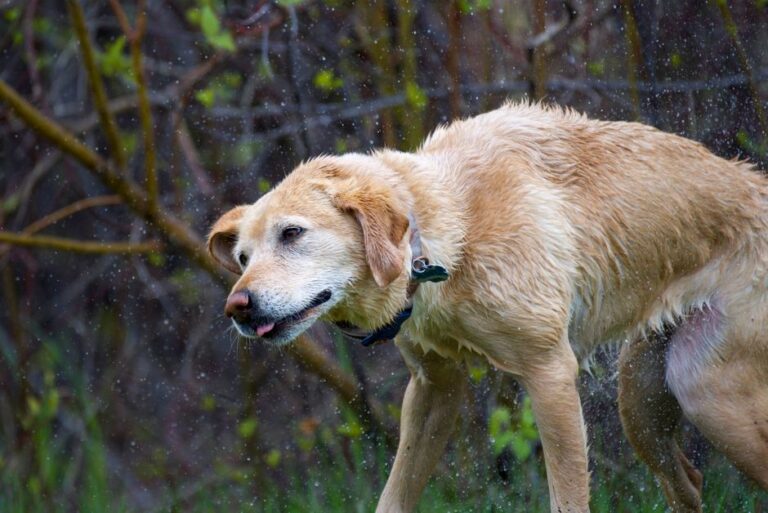
Shaking has plenty of harmless explanations – excitement, cold, drying off – but a few real ones need a vet, and knowing which is which comes down to context.

Calming an anxious dog starts with identifying which kind of anxiety it actually is – the fix looks different for separation anxiety than it does for noise phobia or fear.
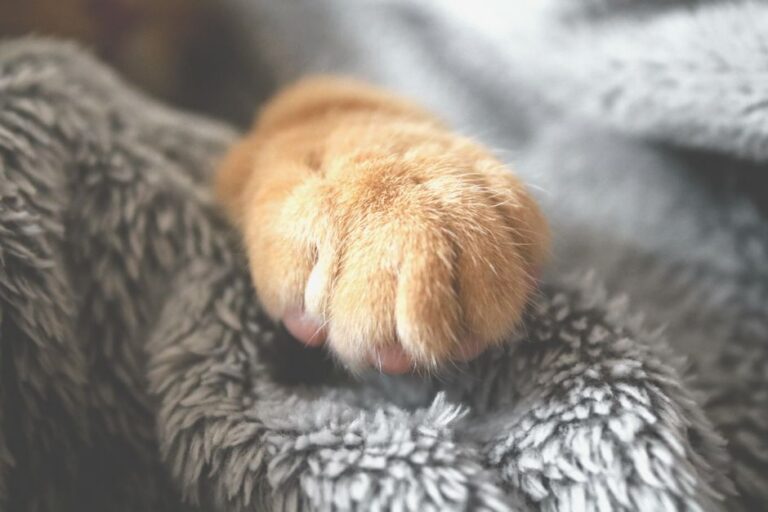
Kneading traces back to kittenhood, and for most cats it’s a genuinely good sign – here’s what it means and the one pattern shift worth watching for.
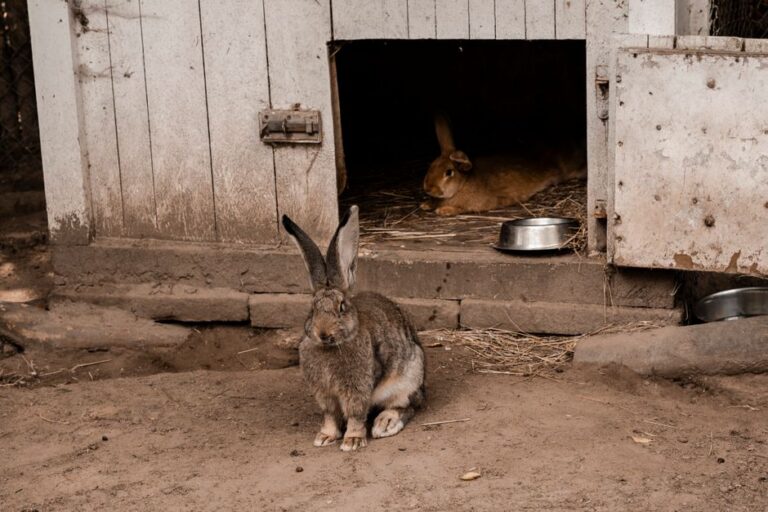
There’s a real range for how much water a rabbit should drink – going well past it isn’t automatically an emergency, but it’s not something to guess about either.
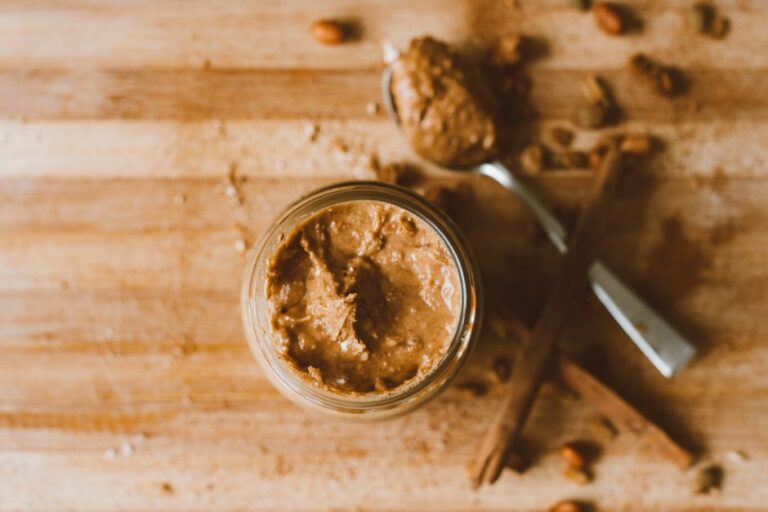
Plain peanut butter isn’t toxic to cats, but vets generally recommend skipping it anyway – and if it contains xylitol, that changes everything.
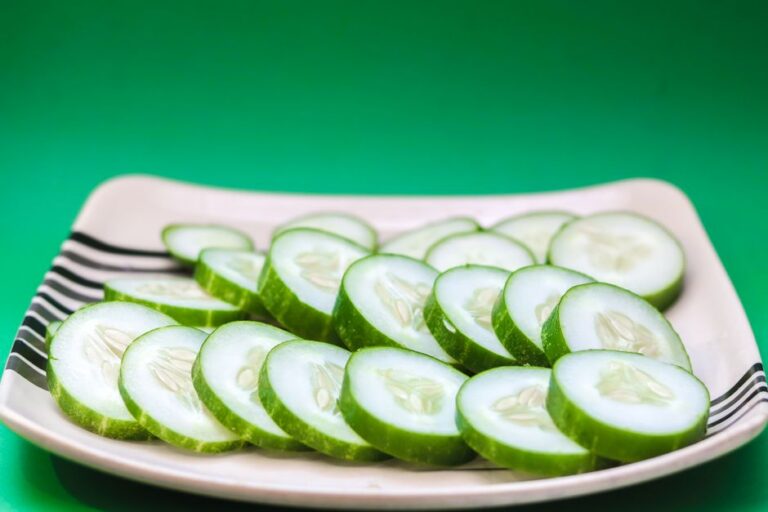
Cucumber is safe for rabbits and genuinely low-risk as treats go – but its high water content means overdoing it, not toxicity, is the actual thing to watch for.
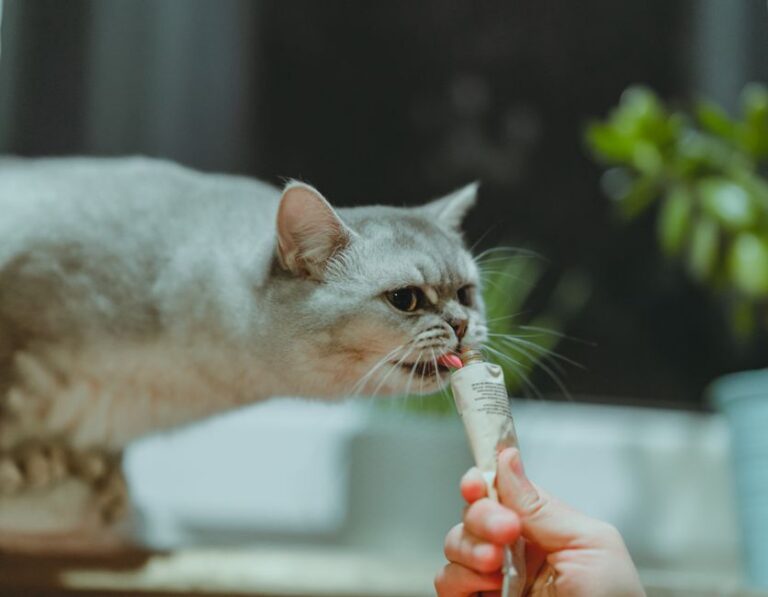
A cat licking you is almost always affection or scent-bonding, not a problem – here’s how to tell that apart from the kind of licking that’s actually a stress signal.